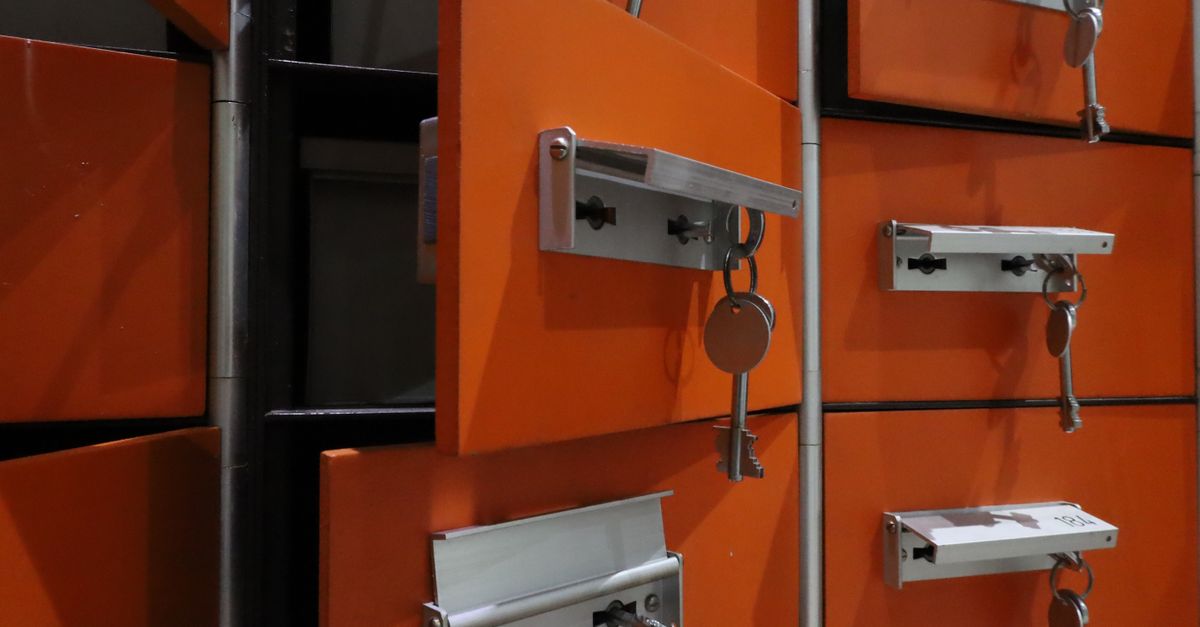
How a Master Key System Is Structured
Every master key system is built around a hierarchy of keyways and pin stack combinations inside each lock cylinder. At the top sits the Grand Master Key (GMK), which opens every lock in the system — typically held by an owner or facilities director. Below it are Master Keys that open a defined group of locks, called a 'keying level' — for example, all locks on the second floor or all locks in a warehouse wing. At the base are Change Keys (sometimes called sub-keys or individual keys), each of which opens only one specific lock. The elegance of the system is that all of these keys coexist inside cylinders that have been re-pinned with split, or 'master,' pins that create multiple shear lines.
For a medical office in Lake Grove with four exam rooms, a private office, a drug storage room, and a staff break room, you might design three levels: the physician holds the GMK, the office manager holds a master key covering everything except drug storage, and each clinical staff member carries a change key for their assigned exam room plus the break room. That kind of granularity is only possible when the system is planned before any cylinders are modified — and it's exactly the mapping conversation we have with every commercial client before we schedule the work.